
Microcystin Analysis in Swimming Pool Cyanobacterial Biofilms
As part of our continuing investigation into what pool professionals commonly refer to as “black algae,” we examined the potential for cyanotoxin production within cyanobacterial biofilms found in swimming pools.
The importance of conducting Microcystin Analysis in Swimming Pool Cyanobacterial Biofilms cannot be overstated, as it helps in understanding the potential health risks associated with these organisms.
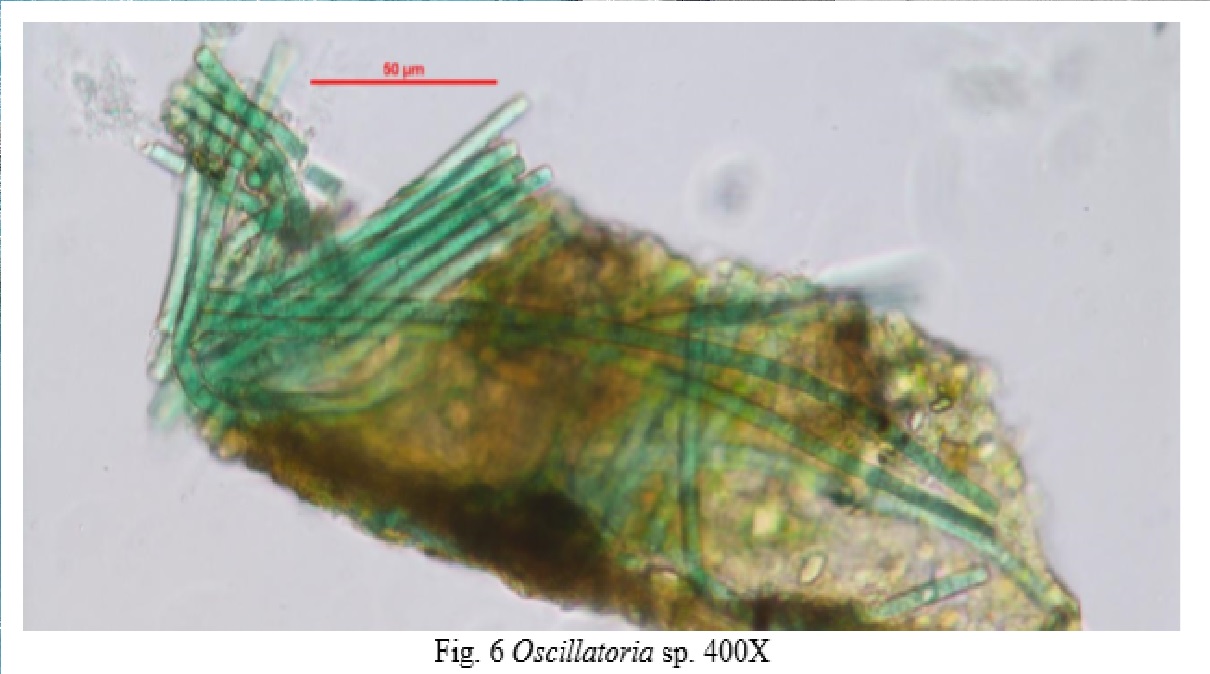
Earlier laboratory analysis of our samples revealed the presence of Oscillatoria species, a genus of filamentous cyanobacteria documented in the scientific literature as capable of producing certain cyanotoxins under appropriate environmental conditions. Cyanobacteria belonging to genera such as Oscillatoria, Microcystis, Nostoc, and Anabaena have been widely studied in freshwater ecosystems because some strains produce toxins that can affect humans and animals.
Our study emphasizes the significance of Microcystin Analysis in Swimming Pool Cyanobacterial Biofilms, particularly in assessing the safety of recreational water.
However, recreational water environments such as chlorinated swimming pools differ substantially from natural freshwater systems. Pools operate under continuous disinfection using oxidizing agents such as chlorine, which significantly alters microbial survival and toxin stability.
Given these differences, regular Microcystin Analysis in Swimming Pool Cyanobacterial Biofilms is essential for maintaining water safety.
Because of this difference, testing pool water itself for cyanotoxins presents certain limitations.
For accurate results, Microcystin Analysis in Swimming Pool Cyanobacterial Biofilms should be conducted in conjunction with other water quality assessments.
In properly maintained swimming pools, disinfectant concentrations are typically maintained at 1–3 mg/L (ppm) of free chlorine, depending on regulatory standards and stabilizer levels. Chlorine is a strong oxidizing agent and has been shown in multiple studies to degrade a variety of cyanotoxins, including microcystins, under appropriate conditions.
This underscores the need for effective Microcystin Analysis in Swimming Pool Cyanobacterial Biofilms in ensuring a safe swimming environment.
Research published in the U.S. Environmental Protection Agency Water Treatability Database and other water-treatment literature indicates that chlorine can oxidize microcystins during water treatment. For this reason, detecting toxins directly in chlorinated pool water may be difficult because the disinfectant may degrade the compounds before analysis.
Therefore, it is crucial to implement rigorous Microcystin Analysis in Swimming Pool Cyanobacterial Biofilms as part of routine pool maintenance.
For that reason, our testing focused primarily on the biomass itself rather than the surrounding pool water.
Through our findings, we advocate for the inclusion of Microcystin Analysis in Swimming Pool Cyanobacterial Biofilms to ensure public health safety.
Cyanobacteria and Toxin Release Mechanisms
Cyanobacteria may introduce toxins into water systems through two primary mechanisms.
Therefore, implementing Microcystin Analysis in Swimming Pool Cyanobacterial Biofilms is vital for understanding toxin dynamics in swimming pools.
Some strains can actively produce toxins during growth, releasing small amounts continuously into the surrounding water.
More commonly, toxins are released during cell lysis, when the cyanobacterial cell membrane ruptures. This rupture can occur naturally as colonies age, or during chemical treatment when disinfectants damage microbial cells.
As such, scientists recommend regular Microcystin Analysis in Swimming Pool Cyanobacterial Biofilms to monitor toxin levels.
Because chlorine present in pool water can interfere with analytical testing, laboratory protocols often require that disinfectants be neutralized prior to toxin analysis.
In water treatment laboratories, common neutralizing agents include:
-
Sodium thiosulfate
-
Ascorbic acid
These agents can neutralize residual chlorine, enabling analytical tests such as ELISA assays to detect cyanotoxins without interference from disinfectants.
Laboratory Testing of Cyanobacterial Specimens
Conducting thorough Microcystin Analysis in Swimming Pool Cyanobacterial Biofilms is essential for identifying potential risks.
To determine whether toxin-producing cyanobacteria were present in the collected biofilm specimens, the biomass samples were submitted for laboratory analysis using ELISA (enzyme-linked immunosorbent assay) methods commonly used to detect microcystins.
To facilitate effective monitoring, Microcystin Analysis in Swimming Pool Cyanobacterial Biofilms should be adopted as a standard practice.
Microcystins are among the most studied cyanotoxins and are classified as hepatotoxins, meaning they primarily affect liver function. According to the U.S. Environmental Protection Agency (EPA) and other public health agencies, microcystins may also cause irritation of the skin, eyes, and respiratory system at sufficiently high concentrations.
Implementing comprehensive Microcystin Analysis in Swimming Pool Cyanobacterial Biofilms will enhance our understanding of their effects.
The ELISA assay performed on the biomass samples detected a trace concentration of microcystin at 0.08 ng/mL (parts per billion).
Utilizing data from Microcystin Analysis in Swimming Pool Cyanobacterial Biofilms could inform future regulatory guidelines.
While this represents a positive detection, the level observed was extremely low.
For context:
The EPA Drinking Water Health Advisory level for microcystins is 1.6 µg/L (ppb) for adults.
The need for vigilant Microcystin Analysis in Swimming Pool Cyanobacterial Biofilms becomes increasingly clear as research evolves.
The level detected in the specimen was far below this advisory threshold.
Interpreting Cyanotoxin Presence in Pool Biofilms
The presence of trace levels of cyanotoxins does not necessarily indicate that swimming pool environments pose the same risks as those associated with harmful algal blooms in lakes or reservoirs.
Ultimately, effective Microcystin Analysis in Swimming Pool Cyanobacterial Biofilms is paramount for safeguarding recreational water quality.
Several factors influence whether cyanotoxins are present in detectable amounts, including:
-
the specific cyanobacterial genus and species present
-
environmental conditions such as temperature and nutrient availability
Hence, a proactive approach to Microcystin Analysis in Swimming Pool Cyanobacterial Biofilms is recommended for pool operators.
-
the abundance of the organisms within the biofilm
-
The presence of oxidizing disinfectants such as chlorine
Previous work in this research series demonstrated that the microbial composition of swimming pool biofilms varies significantly between locations. Different pools may contain entirely different cyanobacterial genera within the biofilm community.
Because toxin production varies widely between species—and even between strains within the same species—cyanotoxin presence must be evaluated on a case-by-case basis.
In other words, while cyanobacteria appear to be a dominant structural component of what pool professionals call black algae, not all cyanobacteria produce toxins, and environmental conditions strongly influence toxin production.
Biofilms Are Complex Microbial Communities
Understanding the complexity of biofilms necessitates ongoing Microcystin Analysis in Swimming Pool Cyanobacterial Biofilms.
One of the most important findings of this investigation is that black algae growth in swimming pools appears to represent a complex biofilm community rather than a single organism.
Microscopic analysis of specimens revealed a mixture of organisms embedded within the cyanobacterial matrix, including:
-
filamentous cyanobacteria
-
diatoms
-
green algae
-
other microbial inhabitants
These findings align with broader biofilm research conducted at the Center for Biofilm Engineering at Montana State University, where scientists have demonstrated that biofilms often contain diverse microbial populations living within protective extracellular matrices.
Dr. Darla Goeres of the Center for Biofilm Engineering summarized the implications of these findings in a previous discussion of the work:
“The best approach may be tailored treatment plans that are optimized for each pool similar to the ‘personalized medicine’ trend.”
That observation reflects an important principle in aquatic facility management.
Even though black algae colonies may appear visually similar, each colony may contain a unique microbial composition. Effective treatment strategies may therefore vary depending on the specific organisms present.
Why Microcystin Analysis in Swimming Pool Cyanobacterial Biofilms Matters for Pool Operators
For pool operators, regular Microcystin Analysis in Swimming Pool Cyanobacterial Biofilms can lead to improved management practices.
For aquatic facility managers, pool service professionals, and Certified Pool Operators (CPOs), understanding the microbiology behind persistent biofilms is essential for effective treatment and prevention.
Biofilms can exhibit increased resistance to disinfectants because the extracellular polymeric matrix protects embedded microorganisms. As a result, standard sanitation approaches may not always eliminate surface-attached colonies.
Professional pool operator training programs—including Certified Pool Operator certification courses—emphasize the importance of understanding:
-
disinfectant chemistry
-
biofilm behavior
-
oxidation processes
-
filtration and circulation dynamics
-
proper treatment protocols
These principles are especially important when managing large commercial pools, public aquatic facilities, and high-bather-load environments.
Similar Article Heavy Metals and Algae Control in Swimming Pools
Continuing the Investigation
In conclusion, consistent Microcystin Analysis in Swimming Pool Cyanobacterial Biofilms is vital for ensuring public safety.
The discovery of cyanobacteria within swimming pool biofilms—and the detection of trace cyanotoxin levels within biomass samples—raised additional questions that require further study.
Future research may help clarify:
-
The diversity of cyanobacteria present in swimming pool biofilms
-
environmental factors influencing cyanotoxin production
-
How disinfectants interact with cyanobacterial biofilms
-
optimal treatment strategies for persistent colonies
Our original discovery in May 2018, which initiated this investigation into the microbiology of black algae, ultimately revealed that the phenomenon is more complex than originally assumed.
What appears to be a simple dark spot on a pool surface may in fact represent a dynamic microbial ecosystem embedded within a protective biofilm matrix.
Understanding that an ecosystem is an important step toward improving both water quality management and aquatic facility safety.
Would you like to become a Certified Algae Prevention & Eradication Specialist: OnDemand Course
Related Research and Articles
For comprehensive understanding, further Microcystin Analysis in Swimming Pool Cyanobacterial Biofilms is essential in future studies.
The Black Algae Myth
Not All Black Algae Is Created Equal
Does Black Algae Produce Toxins? Microcystin Analysis in Swimming Pool Cyanobacterial Biofilms